Clinical Pastoral Education (CPE)
CPEI Education
Clinical Pastoral Education (CPE)
Clinical Pastoral Education is experiential education for people who want to grow in spiritual care, reflective practice, compassionate presence, and skilled support for others in real-life settings.
Program Overview
Hands-on formation for spiritual care and human connection
Clinical Pastoral Education combines guided reflection with practical experience. Students learn by engaging real situations, reflecting on their own responses, receiving feedback, and developing the personal and professional skills needed to offer thoughtful care.
CPE supports growth in self-awareness, communication, spiritual reflection, cultural humility, ethical practice, and the ability to accompany people through crisis, grief, transition, and meaning-making.
Program Structure
Certificate: CPE 100-400
Length: Four units/courses
Hours: 400 hours per unit; 1,600 total program hours
Formats: 12-week intensive or 16-week standard options
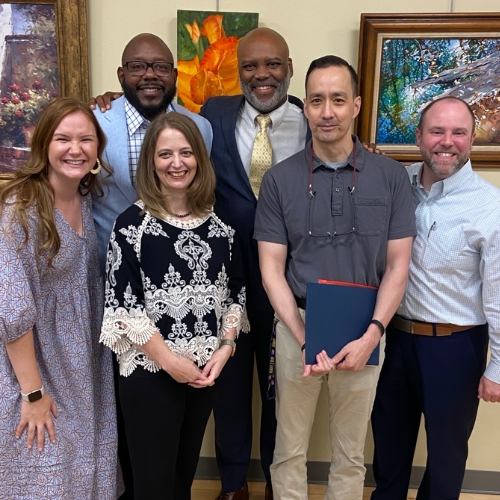
Who CPE Serves
Who is CPE for?
CPE is for people who work closely with others and want to grow in self-awareness, communication, spiritual care, and compassionate presence.
It is especially valuable for aspiring chaplains, clergy, ministry leaders, healthcare professionals, social workers, counselors, hospice workers, mental health professionals, people serving in corrections or recovery settings, first responders, community leaders, and caregivers.
CPE also supports people who are exploring a calling to spiritual care or who want to strengthen the work they already do in people-centered settings.
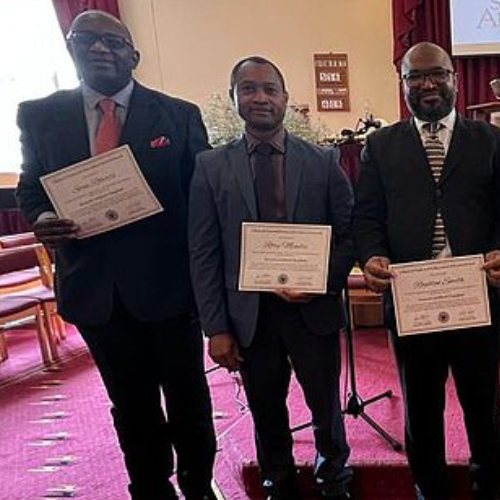
Growth & Formation
What are the benefits of CPE?
CPE helps students grow personally, spiritually, and professionally. Students build confidence in caring for others, improve listening and communication skills, and learn how to respond to crisis, grief, conflict, and change with greater clarity and compassion.
Students also strengthen emotional awareness, cultural sensitivity, spiritual reflection, ethical decision-making, and the ability to work well with others. Many students find that CPE deepens both their professional practice and their sense of purpose.
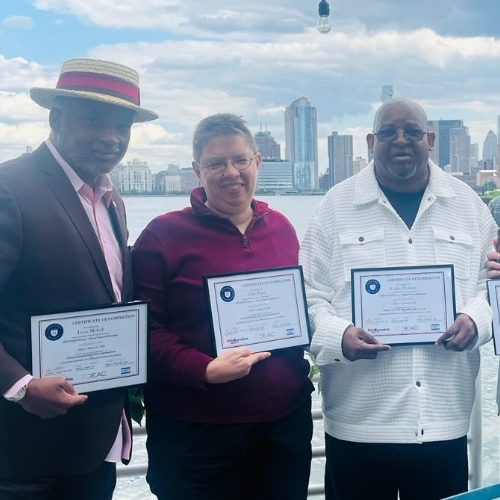
Vocational Pathways
Where can CPE lead?
CPE prepares people to serve in settings where spiritual, emotional, and relational care matter.
These settings may include hospitals, hospice and palliative care, mental health programs, parish and congregational ministry, correctional facilities, addiction recovery and rehabilitation programs, military and veteran settings, community chaplaincy, first responder support, disaster and crisis response, and grief or bereavement care.
CPE can support a path toward chaplaincy, strengthen ministry and caregiving roles, and prepare people to serve more effectively wherever compassion, presence, and skilled listening are needed.
What Students Develop
CPE helps students integrate experience, reflection, feedback, and practice so they can provide more grounded and effective spiritual care.
Formation
Self-Awareness
Students reflect on their own experiences, assumptions, emotional responses, beliefs, and patterns of communication.
Practice
Spiritual Care Skills
Students develop skills in listening, presence, assessment, communication, pastoral reflection, and supportive care.
Integration
Theory and Experience
Students connect theological, spiritual, behavioral, cultural, and ethical perspectives with real-world care situations.
Accountability
Feedback and Evaluation
Students participate in supervision, peer learning, written reflection, and evaluation to support continued growth.
Ready to take the next step?
Learn how CPEI programs work, review the application process, or contact CPEI for help identifying the right educational pathway.